The post Propritary vs HECM appeared first on Reverse Mortgage Solutions of California.
]]>When exploring reverse mortgages, you’ll encounter two main types: Home Equity Conversion Mortgages (HECMs) and Proprietary Reverse Mortgages (or everything else with a Reverse Mortgage in the title or under the hood). The HECM is the only federally insured and regulated option.
Home Equity Conversion Mortgages (HECMs): The Federally Backed Choice
HECMs are unique because they are insured and regulated by the Federal Housing Administration (FHA). This government backing provides a level of consumer protection and standardization. The FHA insures both the lender against potential losses and the borrower by ensuring continued access to funds even if the originating lender becomes insolvent.
Key things to know about HECMs:
- FHA Insured: This insurance protects you and the lender. Should the loan balance exceed the property value upon your passing, FHA pays the lender. Should the lender go out of business while the borrower should still have access to a line of credit, FHA steps in and ensures that line of credit remains available to the borrower.
- Standardized Guidelines: Qualifications, available funds, and underwriting are consistent across different lenders.
- Loan Limits: Currently, HECMs have a maximum claim amount set by the FHA (in 2025, this is $1,209,750). The maximum claim amount is revised annually by the FHA. If you are offered a “Reverse Mortgage” that exceeds the FHA limits, it will likely be a Proprietary Reverse Mortgage and it will not be insured.
- Lower Interest Rates: Generally, HECMs tend to have lower interest rates compared to proprietary options.
- Mandatory Counseling: Borrowers are required to undergo counseling with a HUD-approved agency to ensure they fully understand the loan terms and implications.
- Partial Funds/Line of Credit: Funds may be available as a lump sum, a line of credit, or a combination, with potential limitations on the initial draw, again due to federally established guidelines.
- Mortgage Insurance Premium (MIP): HECMs require both an upfront and ongoing mortgage insurance premium.
Proprietary Reverse Mortgages: Lender-Specific Solutions
Proprietary reverse mortgages are offered by various private lenders. Unlike HECMs, they are not federally insured and thus regulated, allowing banks to offer their own terms and conditions.
Key things to know about Proprietary Reverse Mortgages:
- Lender Specific: Each lender designs its own unique program.
- Higher Loan Limits: A significant advantage is often the availability of much higher loan limits, sometimes reaching $4 million to $8 million or more. These “jumbo reverse mortgages” cater to homeowners with higher-valued properties exceeding the HECM limit.
- Tighter Underwriting: Lender underwriting standards can be more stringent than FHA guidelines.
- No Federal Insurance: These loans are not insured by the FHA.
- No Mandatory MIP: You typically won’t pay mortgage insurance premiums with a proprietary reverse mortgage, but that often is offset due to the higher interest rate.
- Higher Interest Rates: Interest rates are generally higher compared to HECMs.
- Counseling Usually Required: While not always mandatory, lenders often recommend or require counseling.
- Greater Funds Availability: Proprietary reverse mortgages often allow access to a larger percentage of your home’s equity at closing.
HECM vs. Proprietary: A Quick Comparison for Seniors
| Feature | Proprietary Reverse Mortgage | Home Equity Conversion Mortgage (HECM) |
| Loan Limits | $4 Million + | $1,209,750 (2025 FHA Limit) |
| Underwriting | Per Bank (potentially tighter) | Per FHA |
| Federally Insured | No | Yes |
| Mortgage Insurance (MIP) | No | Yes |
| Interest Rates | Higher | Lower |
| Counseling Required | Usually | Mandatory |
| Funds Availability | Generally Better | Partial at Funding/Line of Credit (Year 1) |
So Which Is The Right Choice?
The right choice is to work with a reputable broker, like Reverse Mortgage Solutions of California.
Why is collaborating with a brokerage like Reverse Mortgage Solutions of California the right answer?
Unlike contacting a single bank or lender directly, which limits you only to the programs they offer, our well-established brokerage has cultivated relationships with numerous financial institutions. This access allows for a comprehensive comparison of both HECM and proprietary reverse mortgage products from many lenders in the market. In essence, we do the comparing and shopping for you.
Reverse Mortgage Solutions of California operates with both state and federal licensing and certifications, ensuring our team provides knowledgeable and authoritative guidance tailored to your specific circumstances. We are committed to empowering you with the information needed to make confident decisions about your home equity.
To gain a deeper understanding of reverse mortgages, we invite you to call us directly at (888) 522-2205 for a personalized consultation or request our complimentary 12-page pamphlet, “10 Things You Should Know About Reverse Mortgages.” This informative guide is designed to equip you with essential knowledge about these types of transactions.
Empower yourself with expert guidance. Contact Reverse Mortgage Solutions of California today to explore your reverse mortgage options and determine the best path forward for your financial well-being.
The post Propritary vs HECM appeared first on Reverse Mortgage Solutions of California.
]]>The post Mortgage Insurance in Home Equity Conversion Mortgages: A Foundation of Dual Security appeared first on Reverse Mortgage Solutions of California.
]]>The Home Equity Conversion Mortgage (HECM) program, administered by the U.S. Department of Housing and Urban Development (HUD) through its Federal Housing Administration (FHA), offers senior homeowners a unique way to access their home equity. A cornerstone of this program is its mandatory mortgage insurance, known as Mortgage Insurance Premiums (MIP). While often perceived as expensive, HECM mortgage insurance provides a critical two-fold layer of protection: it safeguards private lenders against potential losses, and, uniquely, it also insures the borrower against the rare but significant risk of lender insolvency, ensuring the uninterrupted flow of funds. This report will delve into the mechanics of HECM mortgage insurance, detailing its cost structure, the comprehensive protections it affords to both lenders and borrowers, and ultimately, justifying its value proposition as a foundation of security for senior homeowners.
The mandatory nature of HECM mortgage insurance is not merely a programmatic rule; it indicates that this insurance is fundamental to the viability and widespread adoption of reverse mortgages. If the insurance were optional, private lenders would likely be unwilling to offer HECMs due to the inherent and substantial risks involved, such as the non-recourse nature of the loan, the potential for the loan balance to grow beyond the home’s value, and the long-term nature of the loan terms.1 The requirement for insurance ensures a pooled risk environment, which makes the product accessible and relatively affordable for a broad demographic. This directly supports the program’s overarching goal of helping seniors utilize their home equity to “age in place”.1 Thus, the insurance is not simply an add-on but an integral, enabling component of the HECM ecosystem.
II. Introduction: Unlocking Home Equity with HECMs
The Home Equity Conversion Mortgage (HECM) stands as the predominant form of reverse mortgage in the United States, offering older homeowners a unique financial tool. Unlike traditional “forward” mortgages where borrowers make monthly payments to build equity, HECMs allow individuals aged 62 or older to convert a portion of their home equity into accessible funds without requiring monthly mortgage payments.1 The loan becomes due and payable only when the last borrower moves out, sells the home, or passes away.1 This distinctive feature makes HECMs particularly attractive for seniors looking to supplement income, cover expenses, or manage debt while retaining ownership of their principal residence.1
The Federal Housing Administration (FHA), a division of the U.S. Department of Housing and Urban Development (HUD), plays a pivotal role in the HECM program. While private lenders originate and service HECM loans, the FHA provides crucial mortgage insurance for these loans.1 This government backing has been instrumental in the widespread adoption and standardization of reverse mortgages, ensuring a level of consumer protection and lender confidence that largely distinguishes HECMs from proprietary, uninsured reverse mortgage products.2 The program, initially a pilot in 1988, became permanent in 1998, and has since insured nearly 1 million reverse mortgages.1
The design of HECMs, particularly with the FHA’s involvement, functions as a social policy instrument aimed at enabling “aging in place.” This objective is particularly relevant for older homeowners who may be “house rich but cash poor”.1 For the program to effectively fulfill this purpose, the insurance mechanism must be robust enough to manage the inherent risks associated with this demographic, such as the potential for very long loan terms, fluctuations in property values over decades, and the extended longevity of borrowers. The comprehensive nature of the FHA insurance, including its dual protection for both lenders and borrowers, directly supports this policy objective by mitigating risks that would otherwise deter lenders from participating, thereby ensuring the product’s availability to the target population.
The FHA’s involvement, by insuring nearly all reverse mortgages, has effectively standardized the market.1 This goes beyond merely providing insurance; it establishes trust and reduces information asymmetry within a complex financial product category. Without a dominant, government-backed insurer like the FHA, the reverse mortgage market would likely be fragmented, potentially featuring a wider array of diverse and less regulated proprietary products. The FHA’s guidelines and insurance act as a de facto industry standard, fostering consumer confidence and enabling private lenders to participate by offloading significant risk. This standardization makes it easier for consumers to compare products and for regulators to oversee the market, ultimately benefiting the senior population by making a complex financial tool more transparent and safer.
III. The Mechanics of HECM Mortgage Insurance (MIP)
HECM mortgage insurance, or MIP, is a mandatory component for nearly all reverse mortgages, with premiums paid by the borrower to the FHA.1 This insurance is crucial for the operation of the HECM program, providing the financial backing that underpins the unique structure of these loans. The premiums collected are deposited into the Mutual Mortgage Insurance (MMI) Fund, which is specifically designed to cover potential claims arising from insured loans.7
The cost of HECM mortgage insurance is structured into two distinct components:
- Initial Mortgage Insurance Premium (IMIP): This is a one-time, upfront premium paid at the time of loan closing. The IMIP is a flat 2% of the lesser of the home’s appraised value or the FHA’s maximum lending limit (e.g., $1,089,300 for 2023, though this limit changes annually).4 This premium can typically be financed as part of the loan, meaning it is added to the loan balance rather than requiring an out-of-pocket payment at closing.9
- Annual Mortgage Insurance Premium (MIP): In addition to the IMIP, borrowers pay an ongoing annual premium. This premium is equal to 0.5% of the outstanding loan balance.4 Unlike the IMIP, the annual MIP is not paid directly by the borrower each year. Instead, it accrues annually and is added to the loan balance, becoming due and payable only when the loan itself matures (i.e., when the home is sold, the borrower moves out, or passes away).8 Because the loan balance on a reverse mortgage grows over time (due to accrued interest, fees, and these premiums), the annual MIP amount will also increase each year.4
The fact that the annual MIP accrues and is added to the loan balance, rather than being paid monthly, significantly contributes to the rapid growth of the HECM loan balance over time.4 If borrowers were required to pay the annual MIP out-of-pocket, it would counteract the primary benefit of a reverse mortgage for many “cash-poor” seniors, which is to provide funds without requiring ongoing payments. By accruing the premium, the program maintains its accessibility. However, this convenience comes at the cost of accelerating the loan balance growth, which in turn increases the likelihood of the loan balance eventually exceeding the home’s value, thereby increasing the potential for FHA claims. This mechanism directly contributes to the perceived “expensiveness” of the insurance and underscores the necessity for robust coverage.
The MMI Fund is explicitly funded by borrower fees, not through government appropriations.7 This indicates a self-sustaining model, but it also highlights its vulnerability to market fluctuations and actuarial miscalculations. A self-funded insurance program requires that the premiums collected be sufficient to cover all projected claims. The historical negative economic value of the HECM portion of the MMI Fund, which was estimated at negative $7,721 million as of the end of FY 2016, suggests that, at times, the premiums collected were insufficient to cover the actual or projected losses.10 This financial strain directly led to program adjustments, such as reduced initial and total allowable drawdowns, and the implementation of the Life Expectancy Set-Aside (LESA).2 These changes were aimed at strengthening the financial condition of the program and the fund’s solvency. This demonstrates a continuous feedback loop between the program’s financial performance and its design, underscoring the inherent risks being insured and the ongoing efforts to maintain the fund’s stability.

HECM Mortgage Insurance Premiums: Cost Structure
| Premium Type | Percentage Rate | Basis for Calculation | Payment Timing | Key Notes |
| Initial MIP | 2% | Lesser of appraised value or FHA loan limit | At closing | Typically financed as part of the loan; one-time payment. |
| Annual MIP | 0.5% | Outstanding loan balance | Accrued annually, paid at loan maturity | Accrues to the loan balance; increases as loan balance grows. |
IV. Protection for Lenders: Safeguarding Against Loan Loss
One of the primary functions of HECM mortgage insurance is to protect the private lenders who originate these loans. Given the unique nature of reverse mortgages—where the loan balance typically grows over time and no monthly payments are made by the borrower—lenders face significant risks that are largely mitigated by FHA insurance.
The most prominent protection for lenders comes into play if the loan balance exceeds the value of the home when the loan becomes due and payable.1 In such scenarios, the FHA reimburses the lender for the difference between the outstanding loan balance and the home’s sale price, up to a “Maximum Claim Amount” (MCA).1 The MCA is defined as the lesser of the home’s appraised value at the time of origination or the FHA’s HECM loan limit.10 This ensures that lenders do not incur losses even if the property value declines or the loan balance grows significantly over the long term.
Furthermore, FHA insurance protects lenders against borrower default, particularly regarding the ongoing obligations of property taxes and homeowner’s insurance.2 While HECM borrowers do not make monthly mortgage payments, they are still responsible for these property charges. If a borrower fails to meet these obligations, the FHA’s insurance mechanism ensures that the lender is protected, often through loss mitigation procedures or by allowing the loan to be assigned to HUD.2
A critical feature enabled by this lender protection is the “non-recourse” nature of HECM loans.8 This means that neither the borrower nor their heirs will ever owe more than the value of the home at the time the loan is repaid, regardless of how large the loan balance has grown.8 If the loan balance exceeds the home’s value, the FHA insurance covers the shortfall, ensuring that the borrower’s estate or heirs are not personally liable for the difference.1 This provides immense peace of mind for seniors and their families, as it limits their financial exposure solely to the home’s value. The non-recourse nature of HECMs is a direct and necessary consequence of the FHA’s comprehensive lender insurance. If the FHA did not fully insure the lender against losses when the loan balance exceeds the home value, lenders would inevitably demand recourse from borrowers or their estates. The FHA’s willingness to absorb this specific risk, funded via the MMI Fund, is precisely what allows lenders to offer a non-recourse loan. This makes the HECM a unique financial product, distinct from traditional loans where personal liability often extends beyond the collateral value. This connection highlights a direct causal link between the FHA’s insurance and a significant consumer protection.
The funds for paying these claims come from the Mutual Mortgage Insurance (MMI) Fund, which is sustained by the mortgage insurance premiums paid by borrowers.7 When an FHA-insured mortgage goes to foreclosure or is otherwise due, the lender files a claim with the FHA for the remaining amount owed.7 The FHA then pays the lender from the MMI Fund, covering the principal amount plus fees and allowed costs.7
The statement that FHA insurance allows lenders to “provide better loan terms, including a higher principal limit and lower costs to borrowers” 5 is a crucial implication of this protection. It indicates that the insurance is not just a safety net but an active enabler of the market itself. Without FHA insurance, the inherent risks of reverse mortgages—their long duration, absence of monthly payments, growing balance, and non-recourse nature—would be prohibitively high for private lenders. They would either choose not to offer the product, or they would demand significantly higher interest rates, impose lower principal limits, and enforce more stringent terms to compensate for the unmitigated risk. By absorbing this substantial risk, the FHA enables lenders to offer more attractive terms, thereby expanding access to home equity for seniors who might otherwise be excluded from this financial option. This demonstrates how the insurance actively shapes the market’s structure and accessibility.
V. Protection for Borrowers: Insuring Against Lender Insolvency
Beyond protecting lenders, HECM mortgage insurance provides a critical, though often less understood, layer of protection directly to the borrower. This safeguard addresses the risk of lender insolvency, ensuring that senior homeowners continue to receive their scheduled payments or have access to their line of credit, even if the private lender experiences financial distress or failure.
The available information explicitly confirms this vital borrower protection: “It also protects the borrower if the lender cannot make a scheduled payment” 2 and “If the lender fails to make payments due to the borrower, FHA will make the payments to the borrower”.5 This is a unique and powerful guarantee, particularly for a financial product designed to provide ongoing income or flexible access to funds for retirees.
The borrower protection against lender insolvency is more than just financial reimbursement; it is a guarantee of continuity of service for a critical financial lifeline.2 For seniors relying on HECM funds for living expenses or emergencies, an interruption due to lender failure could be catastrophic, potentially jeopardizing their ability to remain in their homes or cover essential costs. The FHA’s role ensures that the promised funds remain accessible, directly addressing the vulnerability of the target demographic. This goes beyond simple financial loss and speaks to the operational stability provided by the insurance, emphasizing its practical, day-to-day impact on a borrower’s financial well-being.

How Borrower Protection Works in Practice (Lender Insolvency):
Imagine a scenario where a HECM borrower has established a line of credit or is receiving monthly payments from their lender. If that lender, like the hypothetical example of Silicon Valley Bank (SVB) going insolvent, were to suddenly cease operations or be unable to fulfill its financial obligations, the FHA’s mortgage insurance steps in.
Real-World Example: Lender Insolvency and HECM Line of Credit
Consider an elderly homeowner, Mrs. Johnson, who has a HECM with a line of credit totaling $200,000, of which she has currently drawn $50,000. She relies on this line of credit for unexpected medical expenses or home repairs. If her lender were to face a sudden insolvency event, similar to the rapid collapse of SVB, without FHA insurance, Mrs. Johnson would be in a precarious position. Her access to the remaining $150,000 in her line of credit could be frozen indefinitely, or the lender might be unable to make scheduled monthly payments, leaving her without crucial funds.
However, because her HECM is FHA-insured, the process would be dramatically different. Upon the lender’s failure, the FHA, through the Mutual Mortgage Insurance (MMI) Fund, would swiftly intervene. The FHA would ensure the continuity of Mrs. Johnson’s HECM. This might involve:
- Direct Payments: The FHA would take over the responsibility for making any scheduled monthly payments directly to Mrs. Johnson.
- Line of Credit Access: The FHA would ensure her continued access to the remaining $150,000 in her line of credit, allowing her to draw funds as needed, just as she would have with her original lender.
- Loan Servicing Transfer: The FHA would facilitate the transfer of her loan to another FHA-approved lender or directly manage the servicing of the loan, ensuring that all terms and conditions of her original HECM agreement are honored.
This FHA guarantee provides an essential safety net, protecting vulnerable seniors from the systemic risks of financial institutions. It transforms a private loan into a federally backed promise, ensuring financial stability for borrowers regardless of their lender’s fate. This level of security is a significant justification for the mortgage insurance premiums paid by borrowers.
The FHA’s guarantee on HECM funds, particularly for lines of credit, functions similarly to deposit insurance provided by entities like the FDIC for bank deposits. While it is not a direct deposit, HECM insurance protects the borrower’s right to access their home equity funds, even if the originating institution fails. Just as FDIC insurance protects cash deposits in a bank, HECM insurance protects the liquidity derived from the home’s equity, which is crucial for the borrower’s financial planning and security. This analogy helps to contextualize the value and uniqueness of this borrower protection.
Dual Protection of HECM Mortgage Insurance
| Party Protected | What is Protected | Mechanism of Protection | Key Benefits/Features | Relevant Scenario |
| Lender | Loan loss if balance exceeds home value; borrower default on property charges | FHA reimburses lender up to Maximum Claim Amount (MCA); FHA manages defaulted loans | Non-recourse loan for borrower; enables better loan terms for lenders | Home value decline; borrower default on taxes/insurance |
| Borrower | Access to promised funds/payments | FHA makes payments directly or ensures continued access; facilitates loan transfer | Guaranteed loan proceeds; continuity of service; protection from lender failure | Lender insolvency or inability to make payments |
VI. The Value Proposition: Why HECM Mortgage Insurance is “Expensive”
The upfront and annual mortgage insurance premiums for HECMs are often cited as a significant cost, contributing to the overall expense of a reverse mortgage. However, understanding the comprehensive nature of the protection these premiums afford reveals a robust value proposition that justifies the expense. The “cost” is a reflection of the profound risks being mitigated for both the lender and, crucially, the borrower.
- Comprehensive Risk Transfer for Lenders: The FHA’s insurance absorbs the primary risks that would otherwise make reverse mortgages unfeasible for private lenders. This includes the risk that the loan balance will grow to exceed the home’s value (non-recourse feature) and the risk of borrower default on property taxes and insurance.1 Unlike private mortgage insurance, which often only covers a portion of the loan, FHA insures the
entire principal amount of the mortgage.7 This comprehensive coverage allows lenders to offer HECMs with more favorable terms, such as higher principal limits and potentially lower interest rates, than they otherwise could.5 The premiums essentially compensate the FHA for taking on this substantial, long-term financial exposure.
- Unparalleled Borrower Security: The most compelling justification for the cost from a borrower’s perspective is the direct guarantee of funds and the non-recourse loan feature.
- Guaranteed Loan Proceeds: The FHA guarantees that borrowers will receive their promised loan disbursements, whether as a lump sum, monthly payments, or line of credit draws, regardless of the originating lender’s financial health.2 This eliminates the systemic risk of lender insolvency for the borrower, providing a level of security rarely seen in other financial products.
- Non-Recourse Protection: The insurance ensures that the borrower or their heirs will never owe more than the home’s value, even if the loan balance exceeds it.8 This protection against negative equity provides immense peace of mind, as it caps the potential liability at the value of the asset.
- The Financial Health of the MMI Fund: The perceived “expensiveness” also reflects the actual financial performance and inherent risks of the HECM portfolio. The HECM portion of the MMI Fund has, at times, faced significant negative economic values (e.g., -$7,721 million in FY 2016).10 This indicates that the premiums collected, despite their cost, have sometimes been insufficient to cover the long-term liabilities and actuarial projections. This financial reality has prompted HUD to implement various program changes, such as reduced initial drawdowns and stricter financial assessments (LESA), to strengthen the fund’s condition and ensure its long-term solvency.2 These adjustments underscore the high-risk nature of the product and the necessity of substantial premiums to maintain the program’s viability and guarantees.
The MMI Fund, funded by borrower premiums, functions as a massive risk-pooling mechanism.7 Individual HECMs carry significant, unpredictable long-term risks, including the longevity of the borrower, future home values, and interest rate fluctuations over potentially decades. No single lender could bear these risks affordably on their own. By pooling premiums from nearly 1 million HECMs into the MMI Fund, the FHA can diversify and absorb these risks across a vast portfolio. The “expense” for an individual borrower contributes to this collective pool, which then provides the comprehensive guarantees. This structure is an actuarial necessity that underpins the premium structure.
Despite being designed as self-funded by borrower premiums, the occasional negative economic value of the MMI Fund suggests that the program, at times, operates with an implicit subsidy from the broader FHA MMI Fund or faces a need for corrective action.10 If the HECM portion of the MMI Fund consistently showed negative values, it would imply that the premiums charged were not always sufficient to cover the actuarial losses. While the fund is designed to be self-sustaining, prolonged deficits would eventually require intervention, potentially from other FHA programs within the MMI Fund or through policy changes that shift more risk or cost to borrowers. This highlights a delicate balance between affordability for seniors and the financial health of the insurance fund, hinting at the complex policy trade-offs involved in maintaining the program’s long-term stability and accessibility.
In essence, the mortgage insurance premiums are the cost of a comprehensive risk management solution. They transform a potentially high-risk, long-term loan into a secure and reliable financial tool for seniors, backed by the full faith and credit of the federal government. The “expense” is the price of this unparalleled security and the unique dual protection offered to both the financial institutions and, critically, the vulnerable senior homeowners.
VII. Key Considerations and Consumer Protections
While HECM mortgage insurance provides robust protection, the HECM program itself incorporates several other critical safeguards and requirements designed to protect borrowers and ensure the long-term sustainability of the loan.
- Mandatory Housing Counseling: A cornerstone of HECM consumer protection is the mandatory housing counseling requirement.2 Before applying for a HECM, prospective borrowers must receive counseling from a HUD-approved HECM counselor. This session is designed to ensure that borrowers fully understand the complexities of a reverse mortgage, including its costs, implications, alternatives, and their ongoing responsibilities. This counseling is essential for informed decision-making, particularly given the complexity of the product and the vulnerability of the senior demographic.2
- Underwriting Requirements and Financial Assessment: To address historical defaults, particularly related to property taxes and insurance payments, HUD implemented new underwriting requirements.2 Lenders are now required to conduct a thorough financial assessment of the borrower’s credit history, income, and expenses to determine their ability to afford ongoing property charges.2 If a borrower’s financial capacity is deemed insufficient, a portion of the loan proceeds may be set aside in a Life Expectancy Set-Aside (LESA) to cover future property taxes and homeowners insurance premiums for the life expectancy of the youngest borrower.2 This proactive measure aims to reduce the risk of foreclosure due to non-payment of these essential obligations.
It is important to clarify a seeming contradiction in some of the information regarding income and credit qualifications. While some older information or simplified statements might suggest “no income or credit qualifications” for HECMs 6, more recent and detailed sources emphasize that borrowers “must be fully underwritten in accordance with FHA criteria to ensure that they are an acceptable credit risk and have sufficient income or assets to repay a mortgage” 7 and that lenders “must examine a borrower’s credit history, income, and expenses”.2 The implementation of financial assessments and LESA 2 definitively confirms that there are financial qualification requirements, albeit different from traditional forward mortgages. The program has evolved to incorporate these safeguards to ensure borrower sustainability and protect the MMI Fund.
- Ongoing Borrower Responsibilities: Despite not making monthly mortgage payments, HECM borrowers retain ownership of their home and are responsible for crucial ongoing obligations.3 These include:
- Paying property taxes.
- Maintaining homeowner’s insurance.
- Keeping the home in good condition.
- Using the property as their principal residence for the majority of the calendar year.3
Failure to meet these responsibilities can result in the loan becoming due and payable, potentially leading to foreclosure.3
- Non-Borrowing Spouse Protections: Recognizing the importance of protecting surviving spouses, the HECM program has evolved to allow non-borrowing spouses younger than 62 to remain in the home after the borrowing spouse dies, provided certain conditions are met.2 This provision ensures that a surviving spouse is not forced to sell the home due to the loan becoming due and payable prematurely, adding another layer of family security.
The repeated mentions of program changes, such as the 2014 adjustments, the introduction of LESA, stricter underwriting, and non-borrowing spouse protections, indicate a dynamic evolution of the HECM program.2 This evolution is not arbitrary; it is a direct response to identified risks, such as defaults on taxes and insurance payments, and the financial strain these placed on the MMI Fund. It also represents a continuous effort to enhance consumer protection for a vulnerable population. These changes demonstrate a learning curve and a commitment to refining the product’s safety and sustainability over time. This highlights that the “expensive” insurance is part of a broader, evolving framework of risk management and consumer advocacy.
The financial assessment and LESA are not just isolated rules; they are directly linked to the health of the MMI Fund and the overall viability of the HECM program. Defaults on property taxes and insurance were a significant cause of claims against the MMI Fund. By implementing financial assessments and LESA, HUD proactively mitigates these risks at origination. This reduces the likelihood of future claims, thereby strengthening the MMI Fund’s financial condition.2 This demonstrates a causal loop: risks lead to claims, claims strain the fund, which leads to policy changes, which in turn reduce future risks and claims. This interconnectedness underscores that every feature, including the insurance, operates within a complex system designed for long-term stability.
VIII. Conclusion: A Foundation of Security for Senior Homeowners
HECM mortgage insurance is far more than a simple fee; it is the bedrock upon which the entire Home Equity Conversion Mortgage program is built. While its costs, comprising both an initial and annual premium, are a notable consideration for borrowers, these expenses are directly commensurate with the profound and multi-faceted protections they provide.
The insurance acts as a vital safeguard for private lenders, shielding them from potential losses if the loan balance surpasses the home’s value or if borrowers default on essential property obligations. This comprehensive lender protection, in turn, enables the unique “non-recourse” feature of HECMs, ensuring that borrowers and their heirs are never personally liable for more than the home’s value.
Crucially, HECM mortgage insurance extends its protective umbrella directly to the borrower. It guarantees the continuity of loan disbursements, ensuring that seniors have uninterrupted access to their funds, even in the unlikely event of their private lender’s insolvency. This unparalleled security, exemplified by the hypothetical SVB scenario, transforms a private loan into a federally backed promise, offering invaluable peace of mind to older homeowners relying on their home equity.
The ongoing evolution of the HECM program, with its mandatory counseling, rigorous financial assessments, and non-borrowing spouse protections, further reinforces the commitment to borrower welfare and program sustainability. In an increasingly complex financial landscape, HECM mortgage insurance stands as a testament to a carefully designed system that balances the empowerment of senior homeowners with robust financial security for all parties involved. It is, unequivocally, a foundation of security, making home equity accessible and reliable for aging in place.
The post Mortgage Insurance in Home Equity Conversion Mortgages: A Foundation of Dual Security appeared first on Reverse Mortgage Solutions of California.
]]>At Buena Park Senior Center
8150 Knott Ave
Buena Park, CA
The post Reverse Mortgages 101: Everything Seniors Need to Know appeared first on Reverse Mortgage Solutions of California.
]]>Recognized Reverse Mortgage expert and author Paul Lowry, who has taught hundreds about these transactions, will be teaching the course and can answer your specific questions.
We will cover:
- Differences between a broker and a bank
- Why it is so important to get an FHA insured Reverse Mortgage
- How to qualify & other eligibility requirements
- Recent regulatory changes
- Effects on taxes and government programs eligibility.
- How to maximize what you leave your heirs (and the process)
- How to set it up for a smooth transition upon your passing.
While the seminar is free, you are encouraged to register by clicking the blue box above (Register For This Event). If you have any questions please reach out to us at (888) 522-2205.
The post Reverse Mortgages 101: Everything Seniors Need to Know appeared first on Reverse Mortgage Solutions of California.
]]>The post Fixed Rate vs. Variable Rate Reverse Mortgage: Which is Right for You? appeared first on Reverse Mortgage Solutions of California.
]]>The Stability of a Fixed Rate Reverse Mortgage
Imagine the peace of mind knowing your interest rate will remain the same for the entire life of your reverse mortgage. That’s the core benefit of a fixed rate reverse mortgage. Just like a traditional fixed rate mortgage, the interest rate for your reverse mortgage is locked in at closing and will never fluctuate, regardless of market changes. If you’re comparing a fixed rate vs. variable rate reverse mortgage, the predictability of a fixed option can be a major advantage. This type of fixed rate loan offers a predictable cost.
Benefits of a Fixed Rate Loan:
- Predictable Costs: This predictability allows you to better forecast your home’s equity going forward with a fixed rate. You’ll have a clear and unchanging understanding of your accruing interest over time.
- Protection against Rising Interest Rates: Since the interest rate is set in stone, a fixed rate reverse mortgage protects you from sudden spikes and economic volatility.
Disadvantages of a Fixed Rate Reverse Mortgage:
- Lower Initial Loan Amount: Typically, a fixed rate reverse mortgage offers a lower amount of money to the borrower compared to its adjustable rate counterpart.
- Limited Features: A fixed rate reverse mortgage ONLY provides a one-time lump sum payment. Unlike an adjustable rate loan, it does not offer a growing line of credit or monthly payments (term or tenure).
A fixed rate reverse mortgage is best for homeowners when interest rates are uncommonly low or when they are predicted to rise, and the borrower may not need the maximum available funds. The stability of a fixed rate is its primary appeal.
The Flexibility of an Adjustable Rate Reverse Mortgage
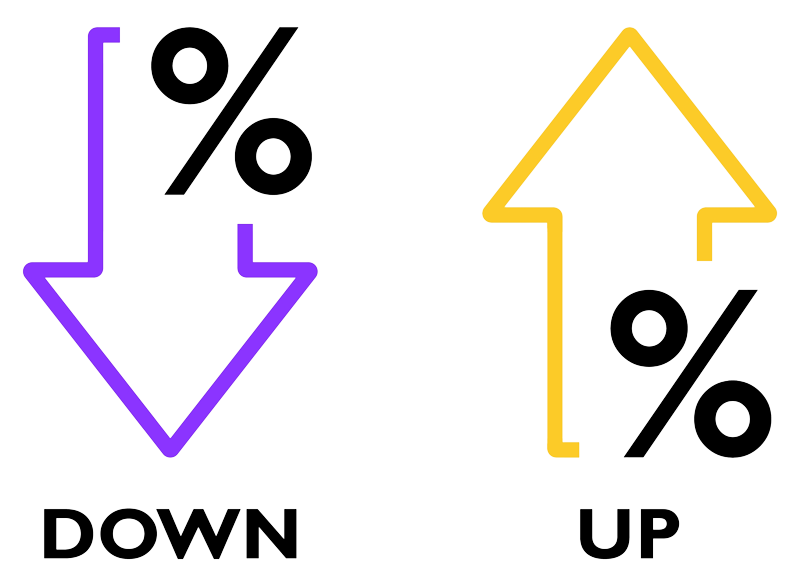
Most reverse mortgages funded today are adjustable rate reverse mortgages, tied to the Market Yield on U.S. Treasury Securities at a 10-Year Constant Maturity (Federal Reserve DGS10 Index). When comparing a fixed rate vs. variable rate reverse mortgage, it’s important to understand that this adjustable rate has a limited increase of 2% annually and 5% over the life of the loan, but has no limits on how low it can fall. This means your reverse mortgage interest rate, and therefore the amount of interest accruing, can go up or down. This type of adjustable rate reverse mortgage offers unique flexibility.
Benefits of an Adjustable Rate Loan:
- Often Funds More Initially: An adjustable rate reverse mortgage often allows you to access a larger principal loan amount at the outset compared to a fixed rate option.
- Provides Funding Flexibility: With an adjustable rate reverse mortgage, you can keep your funds in a growing line of credit (with no interest on funds you have not received), or receive term or tenure monthly payments.
- Potential for Lower Rates: When interest rates are expected to decline or remain low, a variable rate mortgage can be advantageous. You could potentially benefit from lower overall interest costs over the life of the loan.
An adjustable rate reverse mortgage is best for homeowners comfortable with market fluctuations and who might need a larger initial disbursement of funds. If you believe interest rates will fall or stay low, this adjustable rate option could potentially save you money. It is also ideal for those who want to keep a portion of their funds in a line of credit to use at a future time.
Key Differences Summarized: Fixed Rate vs. Variable Rate Reverse Mortgage
| Feature | Fixed Rate Reverse Mortgage | Adjustable Rate Reverse Mortgage |
| Interest Rate | Remains constant for the life of the loan. | Adjusts based on market interest rates. |
| Initial Loan Amount | Typically lower. | Often higher. |
| Best For… | Prioritizing stability and predictable costs. | Seeking potentially lower rates, a larger initial sum, or a flexible line of credit. |
Understanding the difference between a fixed rate vs. variable rate reverse mortgage is just the first step. To truly determine which type of reverse mortgage best aligns with your individual needs, expert guidance is invaluable.
The licensed loan agents at Reverse Mortgage Solutions of California are here to provide you with all the detailed information you need. We can walk you through the intricacies of both a fixed rate reverse mortgage and an adjustable rate reverse mortgage, and explain how current market conditions might influence your decision. Contact Reverse Mortgage Solutions of California today for a personalized consultation.
The post Fixed Rate vs. Variable Rate Reverse Mortgage: Which is Right for You? appeared first on Reverse Mortgage Solutions of California.
]]>December 8, 2022, 9 am – 10:30 (or until all questions are answered)
Corona, CA
The post How to Prepare for and Minimize the Financial Impact of Your Passing on Those You Love appeared first on Reverse Mortgage Solutions of California.
]]>As part of our partnership with Local Realtors, and in support of Seniors in the local community and the Inland Empire, Reverse Mortgage Specialists is providing another FREE educational event.
We all pass on at some point. This seminar provides insights on being better financially prepared to minimize the impact on your loved ones when you leave this earth.
With three speakers recognized as professionals in their fields, you will learn:
From Mike Ortiz, an Estate Attorney
- What legal paperwork should be ready
- Differences between Wills, Trusts, & Probate
- Benefits of Estate Planning
From Manny Monter, an Advanced Planning Specialist
- Understanding the initial steps following death
- Avoiding Funeral Inflation & Emotional Driven Spending
- How to ensure your services are peaceful & drama free
From Paul Lowry, a Reverse Mortgage Specialist
- The Economics of the last years of life & how to prepare
- The annuity style benefits of a Reverse Mortgage
- How a Reverse Mortgage affects the estate
There is NO FEE for this class, but you must be registered, and seating is limited. This class will also be available via Zoom.
To attend in person visit rmsoc.com/2022register
To attend via Zoom (on your computer or mobile device) visit bit.ly/2022M08
We look forward to seeing you.
Should you have any questions, please reach out to us at (888) 522-2205.
The post How to Prepare for and Minimize the Financial Impact of Your Passing on Those You Love appeared first on Reverse Mortgage Solutions of California.
]]>Visit Our Booth
Chino Hills, CA
The post Join Reverse Mortgage Solutions at the Chino Valley Chamber’s Business Expo October 22, 2022 appeared first on Reverse Mortgage Solutions of California.
]]>Our goal is to provide education to older adults (and the children of older adults) on how to help Seniors have the financial security to age in place along with other tools to get the most from their retirement years.
We will have complimentary educational materials available, and recognized Educator and Reverse Mortgage Expert, Paul Lowry will be on hand to answer any related questions for you.
Enjoy the day, meet local business, and come by and say hello.
The post Join Reverse Mortgage Solutions at the Chino Valley Chamber’s Business Expo October 22, 2022 appeared first on Reverse Mortgage Solutions of California.
]]>October 12, 2022, 9am – 2pm
Janet Goeske Senior Center
Riverside, CA
The post Learn How a Reverse Mortgage Provides The Security To Age-In-Place appeared first on Reverse Mortgage Solutions of California.
]]>Both RMSOC and Janet Goeske Senior Center believe in giving seniors the education and support needed to ensure ALL seniors can live the longest, healthiest, and best life possible.
As part of our association with the center, we invite you to come to our booth and learn how your home’s equity can help you live the life you have imagined!
RMSOC will be joined by AT&T, Humana, Riverside Medical Clinic, and many other service minded companies who are an essential part of reaching this goal.
Please join us on our mission to improve the quality of life for our older community.
The post Learn How a Reverse Mortgage Provides The Security To Age-In-Place appeared first on Reverse Mortgage Solutions of California.
]]>September 14, 2022 ??
The post What Are You Going to Learn? appeared first on Reverse Mortgage Solutions of California.
]]>In the spirit of educating and supporting Corona’s Seniors, Crossroads Church of Corona & RMSOC have partnered together as part of Crossroad’s Encore Ministries and Outreach Program to provide you an Overview of an Government FHA insured program geared to enhance your golden years.
Come celebrate your faith (all faiths welcomed), enjoy a catered meal, and learn more about how to improve your quality of life, provide home safety upgrades without out of pocket costs, and have a better age in place experience.
Paul Lowry & Cedric Benson of RMSOC will be providing an overview of these programs and answer any questions you may have.
The event will be on September 14, 2022 at 11 am in the fellowship hall of Crossroads Church located at 2331 Kellogg Avenue, Corona, CA 92881.
We plan on this being a part of our YouTube Channel so if you were not able to attend, you can likely find the video on Youtube or our site.
The post What Are You Going to Learn? appeared first on Reverse Mortgage Solutions of California.
]]>The post Senior Downsizing & Reverse Mortgage for Purchase appeared first on Reverse Mortgage Solutions of California.
]]>For many Americans, the retirement years are a time for reevaluation, and for a growing number, this includes a fundamental change in their living situation. While aging in place remains a common desire, a significant portion of the senior population is actively considering or planning to downsize. A recent AARP survey found that while a majority of adults aged 50 and older want to remain in their homes, a notable 44% expect to relocate at some point¹ and are considering smaller, more manageable living arrangements. This trend is driven by a desire for simplicity, reduced costs, and a lifestyle that better fits their new phase of life.
The Driving Factors Behind the Move
The decision to downsize is rarely based on a single factor. Instead, it is a multi-faceted choice influenced by lifestyle, finances, and personal circumstances.
- Simplicity and Reduced Maintenance. A large home comes with a lot of responsibility—cleaning, yard work, and costly repairs. By downsizing to a smaller property, seniors can dramatically reduce the time and expense associated with home upkeep. This shift allows them to focus on hobbies, travel, and spending time with loved ones, rather than being a “man with 1,000 cows” who must constantly care for their property.
- Lowering the Cost of Living. For those on a fixed income, a smaller home often means a lower overall cost of living. This includes a reduction in property taxes, insurance premiums, and utility bills. A 2024 AARP report found that the cost of living is a main driver for older adults looking for a new community, with 65% of those aged 50 and older saying they would move for a lower cost of living².
- Proximity to Family. Family is a powerful motivator. As adult children settle down and have their own families, many seniors choose to move closer to them. This makes it easier to be an active part of their grandchildren’s lives and to receive or provide support as needed.
- Finding a Home That Better Suits Their Needs. The home that was perfect for raising a family may not be suitable for aging. Many seniors are looking for homes with features like single-floor living, no-step entryways, and wider hallways that are more accessible and safer. A 2024 AARP survey noted that a key reason for a planned move is to find housing with accessibility features¹.
- Better Weather and Lifestyle. For many, retirement is an opportunity to escape harsh winters and embrace a warmer climate. A change in location allows for year-round outdoor activities and a new social environment.

The Power of the Reverse Mortgage for Purchase
For seniors looking to downsize, a Home Equity Conversion Mortgage (HECM) for Purchase is a powerful financial tool that can provide a significant advantage over a simple cash purchase. This FHA-insured loan allows a person aged 62 or older to buy a new home by combining a down payment with a reverse mortgage, eliminating the need for monthly mortgage payments.
Why an HECM for Purchase is Often Better Than Paying Cash
While using the cash from your old home’s sale to buy a new one outright seems straightforward, it comes with a major trade-off: it can deplete your liquid assets. An HECM for Purchase offers a compelling alternative.
- Preserves Your Cash Reserves: The most significant benefit is that it allows you to preserve a large portion of the cash from the sale of your previous home. Instead of using all the proceeds for the new home, you use only the required down payment (often between 45% and 55% of the purchase price), and the reverse mortgage covers the rest³. This preserved cash can then be used to create a financial safety net for unexpected medical costs, travel, or to simply enhance your retirement lifestyle.
- Eliminates Monthly Mortgage Payments: Unlike a traditional mortgage, a reverse mortgage requires no monthly principal or interest payments as long as you live in the home, pay property taxes and insurance, and maintain the property⁴. For seniors on a fixed income, this can dramatically improve monthly cash flow and financial flexibility, freeing up thousands of dollars a year that would have gone to a mortgage.
- Increases Your Purchasing Power: For some, the proceeds from their old home’s sale may not be enough to buy a new home that meets all their needs in a desirable location. An HECM for Purchase allows you to leverage your home’s equity to buy a more expensive home than you could with cash alone.
- Non-Recourse Protection: A HECM for Purchase is a non-recourse loan, meaning that you or your heirs will never owe more than the home is worth at the time the loan is repaid³. This provides peace of mind, protecting your estate from a potential decline in the housing market.
By understanding the key drivers for senior downsizing and the financial advantages of an HECM for Purchase, you can make a more informed decision about your next home and retirement chapter.
Footnotes
- AARP, “2024 Home and Community Preferences Survey: Where We Live, Where We Age.”
- AARP, “Older Adults Want to Age-in-Place, But Many Don’t Expect They’ll Be Able to.”
- Federal Housing Administration (FHA), “Reverse Mortgages for Seniors.”
- Consumer Financial Protection Bureau (CFPB), “Reverse Mortgages.”
The post Senior Downsizing & Reverse Mortgage for Purchase appeared first on Reverse Mortgage Solutions of California.
]]>