
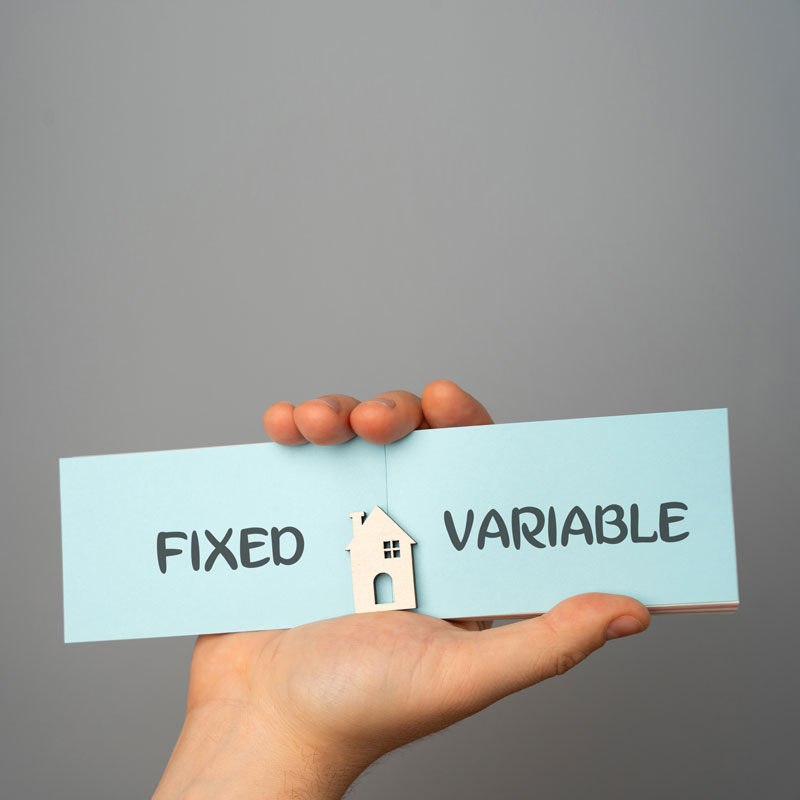
Thinking about accessing your home equity to enhance your retirement security? It’s a smart move many homeowners over 62 are exploring. A key decision when considering a reverse mortgage is choosing between a fixed rate vs. variable rate reverse mortgage. Understanding the nuances of a fixed rate loan versus an adjustable rate loan can save you significant money and ensure your reverse mortgage aligns with your long-term financial goals.
The Stability of a Fixed Rate Reverse Mortgage
Imagine the peace of mind knowing your interest rate will remain the same for the entire life of your reverse mortgage. That’s the core benefit of a fixed rate reverse mortgage. Just like a traditional fixed rate mortgage, the interest rate for your reverse mortgage is locked in at closing and will never fluctuate, regardless of market changes. If you’re comparing a fixed rate vs. variable rate reverse mortgage, the predictability of a fixed option can be a major advantage. This type of fixed rate loan offers a predictable cost.
Benefits of a Fixed Rate Loan:
- Predictable Costs: This predictability allows you to better forecast your home’s equity going forward with a fixed rate. You’ll have a clear and unchanging understanding of your accruing interest over time.
- Protection against Rising Interest Rates: Since the interest rate is set in stone, a fixed rate reverse mortgage protects you from sudden spikes and economic volatility.
Disadvantages of a Fixed Rate Reverse Mortgage:
- Lower Initial Loan Amount: Typically, a fixed rate reverse mortgage offers a lower amount of money to the borrower compared to its adjustable rate counterpart.
- Limited Features: A fixed rate reverse mortgage ONLY provides a one-time lump sum payment. Unlike an adjustable rate loan, it does not offer a growing line of credit or monthly payments (term or tenure).
A fixed rate reverse mortgage is best for homeowners when interest rates are uncommonly low or when they are predicted to rise, and the borrower may not need the maximum available funds. The stability of a fixed rate is its primary appeal.
The Flexibility of an Adjustable Rate Reverse Mortgage
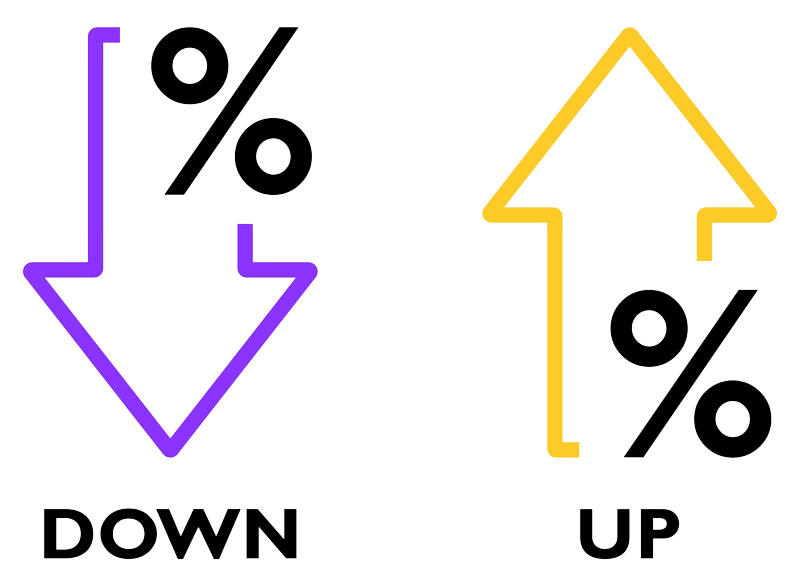
Most reverse mortgages funded today are adjustable rate reverse mortgages, tied to the Market Yield on U.S. Treasury Securities at a 10-Year Constant Maturity (Federal Reserve DGS10 Index). When comparing a fixed rate vs. variable rate reverse mortgage, it’s important to understand that this adjustable rate has a limited increase of 2% annually and 5% over the life of the loan, but has no limits on how low it can fall. This means your reverse mortgage interest rate, and therefore the amount of interest accruing, can go up or down. This type of adjustable rate reverse mortgage offers unique flexibility.
Benefits of an Adjustable Rate Loan:
- Often Funds More Initially: An adjustable rate reverse mortgage often allows you to access a larger principal loan amount at the outset compared to a fixed rate option.
- Provides Funding Flexibility: With an adjustable rate reverse mortgage, you can keep your funds in a growing line of credit (with no interest on funds you have not received), or receive term or tenure monthly payments.
- Potential for Lower Rates: When interest rates are expected to decline or remain low, a variable rate mortgage can be advantageous. You could potentially benefit from lower overall interest costs over the life of the loan.
An adjustable rate reverse mortgage is best for homeowners comfortable with market fluctuations and who might need a larger initial disbursement of funds. If you believe interest rates will fall or stay low, this adjustable rate option could potentially save you money. It is also ideal for those who want to keep a portion of their funds in a line of credit to use at a future time.
Key Differences Summarized: Fixed Rate vs. Variable Rate Reverse Mortgage
| Feature | Fixed Rate Reverse Mortgage | Adjustable Rate Reverse Mortgage |
| Interest Rate | Remains constant for the life of the loan. | Adjusts based on market interest rates. |
| Initial Loan Amount | Typically lower. | Often higher. |
| Best For… | Prioritizing stability and predictable costs. | Seeking potentially lower rates, a larger initial sum, or a flexible line of credit. |
Understanding the difference between a fixed rate vs. variable rate reverse mortgage is just the first step. To truly determine which type of reverse mortgage best aligns with your individual needs, expert guidance is invaluable.
The licensed loan agents at Reverse Mortgage Solutions of California are here to provide you with all the detailed information you need. We can walk you through the intricacies of both a fixed rate reverse mortgage and an adjustable rate reverse mortgage, and explain how current market conditions might influence your decision. Contact Reverse Mortgage Solutions of California today for a personalized consultation.
0 Comments